

The Agent2Agent (A2A) protocol launched by Google in April 2025 represents the most significant standardization effort in AI agent communication, with backing from over 50 technology partners and a clear path to becoming the "HTTP for AI agents." With production-ready implementations expected by late 2025 and projected market valuations reaching $2.3 billion by 2026, A2A...
Category: AI

China’s Moonshot AI Drops Kimi-K2: A Potential Game-Changer for Tool Use in AI
Chinese AI company Moonshot AI has released Kimi-K2, a massive 1 trillion parameter model that could fundamentally reshape how AI systems interact with external tools and perform complex tasks. Released as an open-weight model under a modified MIT license, Kimi-K2 represents what may be the first serious challenge to Anthropic's dominance in reliable tool-calling capabilities—a...

The Future of Programming is Writing Better Instructions, Not Better Code
Programming is about to undergo a fundamental shift, and it has nothing to do with learning new frameworks or mastering the latest language features. According to Sean Grove, an alignment researcher at OpenAI, the future belongs to those who can write clear specifications rather than clever code. Speaking at a recent developer conference, Grove made...

Software 3.0 Revolution: The AI-Driven Programming Paradigm Shift
The software development landscape has undergone a seismic transformation, with AI coding assistants reaching 76% developer adoption and $45 billion in generative AI funding in 2024 alone. Andrej Karpathy's prophetic Software 1.0/2.0 framework now extends to Software 3.0, where natural language programming has become reality and "vibe coding" is democratizing software creation for millions. This...

Context Engineering: The Real Challenge Behind Building AI Agents
Remember when we thought building AI applications was just about writing clever prompts? Those days feel quaint now. As enterprise AI deployments scale and agents tackle increasingly complex tasks, a new discipline has emerged from the trenches: context engineering. It's not just about what you tell an AI anymore—it's about orchestrating an entire symphony of...
The Art of Metaprompting: How Top Startups Are Engineering Intelligence
Prompt engineering is no longer just about giving commands—it's about crafting intelligence. As AI startups redefine user experience and operational agility, prompt engineering is emerging as the essential interface between human intention and machine performance. From multi-layered architectures to metaprompting, this new craft is shaping the future of intelligent products. From Commands to Conversations: The...
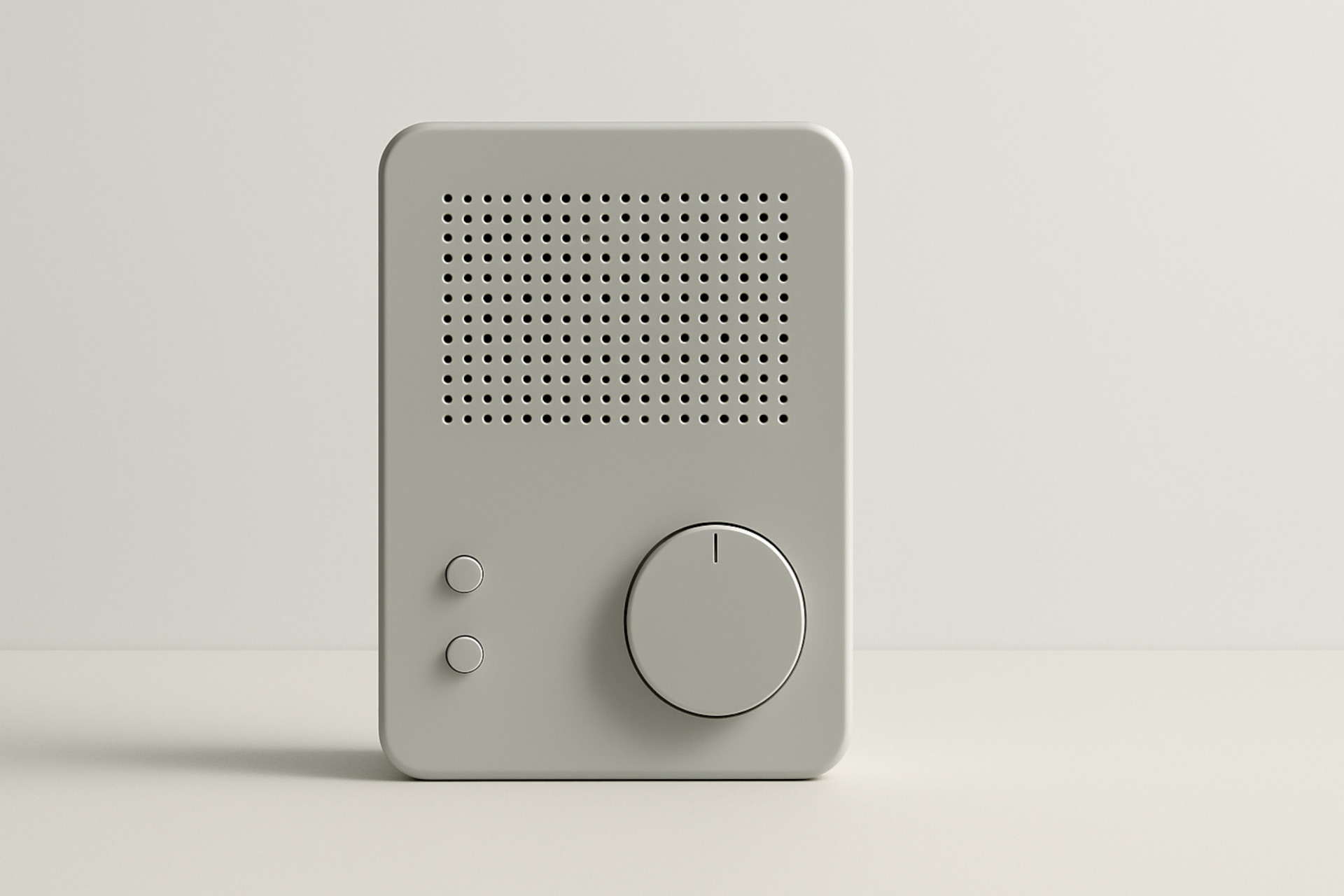
Claude Code Taking Design Lessons from Dieter Rams
Inspired by Peter Gostev's LinkedIn post about his workflow: Data > Claude Code > Visualization > Deploy, I decided to test Claude Code with my own challenge. Peter had analyzed Epoch AI's dataset of 500 AI supercomputers, creating clean visualizations with a simple prompt. Inspired by his approach, I went on transforming a 340-page PDF...

When AI Hits a Wall: Limits of Reasoning Models Revealed
The latest generation of AI models from OpenAI, Anthropic, and others promise something revolutionary: machines that can "think" before they answer. These Large Reasoning Models (LRMs) generate detailed chains of thought, self-reflect on their reasoning, and supposedly tackle complex problems better than their predecessors. But new research from Apple throws cold water on these claims,...

The AI Job Apocalypse Is Already Here—But It’s Not What You Think
Simon Willison has a problem. As co-creator of Django and a veteran software engineer with 25 years of experience, he's watching his own profession get disrupted by the very technology he's helping to advance. However, in his recent conversation with journalist Natasha Zubes, what emerges isn't the typical doom-and-gloom narrative about AI replacing everyone. Instead,...
Self-Improving AI: Darwin Gödel Machine Evolves Code
In 1965, mathematician I.J. Good predicted the possibility of an "intelligence explosion"—a hypothetical scenario where AI systems could recursively improve themselves, each generation surpassing the last. Nearly 60 years later, researchers from the University of British Columbia, Vector Institute, and Sakana AI have taken a significant step toward this vision with their Darwin Gödel Machine...
